
Herbal Supplements for Digestive Health
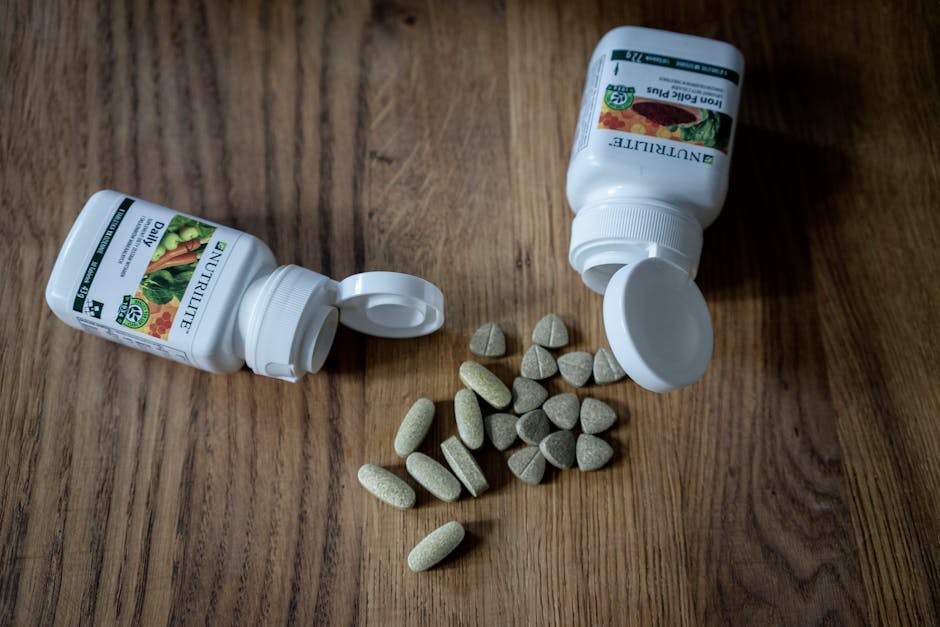
Photo byMateusz DachonPexels
Herbal Supplements for Digestive Health
Why do so many people reach for a cup of ginger tea when their stomach feels unsettled? The answer lies in centuries of traditional use now supported by modern interest. Herbal supplements for digestive health offer a natural approach to common issues like bloating, discomfort, and irregularity. They work with your body's processes rather than forcing a single reaction. This guide examines how specific herbs function and which might be right for your situation.
How Herbal Supplements Support Your Digestion
Your digestive system is complex. It breaks down food, absorbs nutrients, and eliminates waste. Sometimes this process needs gentle support. Herbs can provide that. They may soothe irritated tissues, stimulate the production of digestive juices, or support the balance of gut bacteria. Unlike some conventional options, many herbs offer a broader range of benefits with a lower risk of side effects. For a deeper look at underlying issues, consider reading about the 5 Hidden Causes of Digestive Issues (And How Herbs Can Help!).
Some herbs act as carminatives. This means they help expel gas from the intestines, easing bloating and cramping. Others are demulcents. They form a soothing film over mucous membranes. This can protect an inflamed stomach or intestinal lining. Bitter herbs stimulate the release of saliva, stomach acid, and bile. This prepares your entire system for efficient digestion. Understanding these actions helps you choose the right support.
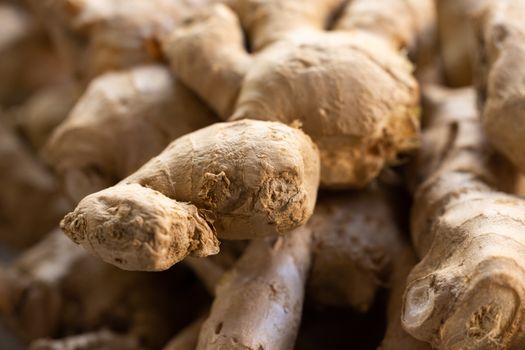
Photo byEngin AkyurtonPexels
Common Herbs for Digestive Comfort
Many plants have earned their place in the wellness cabinet. Their effects are well-documented through both tradition and research.
Ginger Root
Ginger root is a classic remedy for nausea. It helps with motion sickness, morning sickness, and nausea after surgery. It also supports healthy stomach emptying. This can reduce feelings of fullness and discomfort after meals. Many people use fresh ginger in tea or take it in capsule form.
Peppermint Oil
Enteric-coated peppermint oil capsules are a popular choice for irritable bowel syndrome (IBS). The oil relaxes the smooth muscles of the gastrointestinal tract. This action can reduce spasms, bloating, and abdominal pain. It is important to use the coated form to prevent heartburn.
Chamomile
Chamomile is more than a bedtime tea. It has mild anti-inflammatory and antispasmodic properties. This makes it useful for general stomach calmness. It can ease mild cramping and soothe nerves that often affect gut function. Its gentle nature makes it suitable for many.
Slippery Elm and Marshmallow Root
Both slippery elm and marshmallow root are rich in mucilage. This gel-like substance coats and soothes the mouth, throat, stomach, and intestines. They are often used for heartburn, gastritis, and occasional diarrhea. They provide a protective barrier that allows irritated tissues to heal.
Fennel Seed
People chew fennel seeds after meals in many cultures. The seeds contain compounds that relax intestinal muscles and reduce gas. Fennel is particularly helpful for post-meal bloating and infant colic when taken as a tea by nursing mothers.
Artichoke Extract
Artichoke extract supports liver function and increases bile production. Bile is essential for digesting fats. This herb can help with symptoms of functional dyspepsia, like bloating and pain in the upper abdomen. It also promotes a healthy gut environment.
Aloe Vera
The inner gel of the aloe vera plant has a soothing, cooling effect. When taken internally, it can help with occasional constipation by stimulating bowel movements. It also soothes the digestive lining. Use it with caution, as overuse can have a laxative effect.
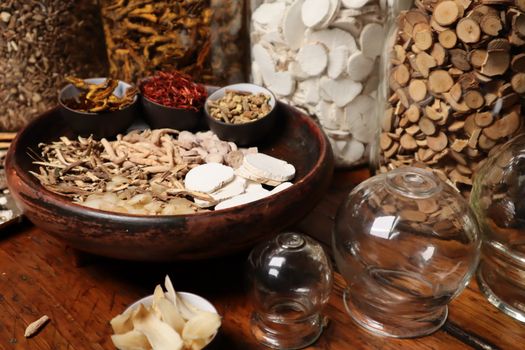
Photo byChinese Medicine Podcast PodcastonPexels
Choosing the Right Herbal Supplement
Quality matters with herbal products. Look for supplements from companies that test for purity and potency. The form is also important. Tinctures, capsules, and teas all have different strengths. Your specific needs should guide your choice. For example, a tea might be best for acute, mild cramping, while a standardized capsule could be better for daily support of a chronic issue.
It is wise to introduce one new herb at a time. This lets you observe how your body responds. Pay attention to any changes in your symptoms. Remember that herbs are potent. Consulting with a knowledgeable practitioner can provide personalized guidance. You can explore our full range of Digestive Health products or schedule a Health Consultation for tailored advice.
Some blends combine herbs with other supportive elements. For instance, some formulas include probiotics. These are live bacteria that support a healthy gut microbiome. Others add digestive enzymes. These proteins help break down food into smaller, absorbable nutrients. A holistic approach often yields the best results.
Integrating Herbs into Your Wellness Routine
Think of herbal supplements as part of a larger picture. They work best when paired with a balanced diet, adequate water, and stress management. Chronic stress directly impacts your gut through the brain-gut connection. Soothing herbs like chamomile can support both ends of this axis.
Start with a clear goal. Are you seeking relief from occasional heartburn? Do you need support for persistent bloating? Your target symptom will point you toward the appropriate herbs. For general maintenance, a simple ginger or peppermint tea after meals might suffice. For more complex issues, a targeted supplement may be necessary.
Always inform your healthcare provider about any supplements you take. This ensures safe integration with any other health plans you follow. Herbs can be powerful allies for digestive health when used thoughtfully and respectfully.

Photo by Anna Pou on Pexels
Your Path to Natural Digestive Support
Herbal supplements for digestive health provide a time-tested path to comfort and balance. From the quick relief of ginger to the soothing action of marshmallow root, nature offers many tools. The key is to select high-quality products and use them with intention. Listen to your body's signals as you explore these natural options.
Ready to find the right support for you? Browse our trusted selection of natural herbal supplements to begin your journey toward greater digestive ease and overall vitality.
